

Regulatory compliant, cost-effective, turn-key management that keeps residuals out of the landfill.
SYLVIS manages your residuals from initial assessment through to land application and compliance. With over 35 years exclusively focused on residuals management, we deliver proven, science-based solutions that maximize value, minimize risk, control program costs, and ensure regulatory confidence.
From characterization and approvals to transportation, land application, monitoring, and reporting, we provide complete turn-key management tailored to your residuals, your operations, and your goals – finding the most effective and economical management solution for every residual stream while keeping materials out of the landfill.
Characterize your residuals stream. Understand volumes, composition, and regulatory requirements. Confirm suitability and identify the right path forward.
Evaluate beneficial use pathways and develop solutions. Build a program designed for your specific residuals, regulatory environment, operational needs, and cost objectives.
Execute the program with confidence. From logistics planning and land application to interested party engagement and regulatory reporting, we provide complete turn-key management from day one.
Monitor performance. Measure outcomes. Optimize over time through applied research and operational data – ensuring your program delivers long-term value, not short-term fixes.
tonnes of residuals managed over the past 10 years
beneficial use of all residuals managed
generators currently managed through BC, AB, and SK
SYLVIS has been shaping residuals management policy and practice for over 35 years. We contributed to the development of BC’s Organic Matter Recycling Regulation (OMRR), helping establish the framework that governs how biosolids are managed across the province.
Our team works closely with provincial regulators and industry partners to ensure programs remain regulatory compliant. When regulations evolve, we are already at the table, understanding the change, the intent behind it, and how to adapt successfully.
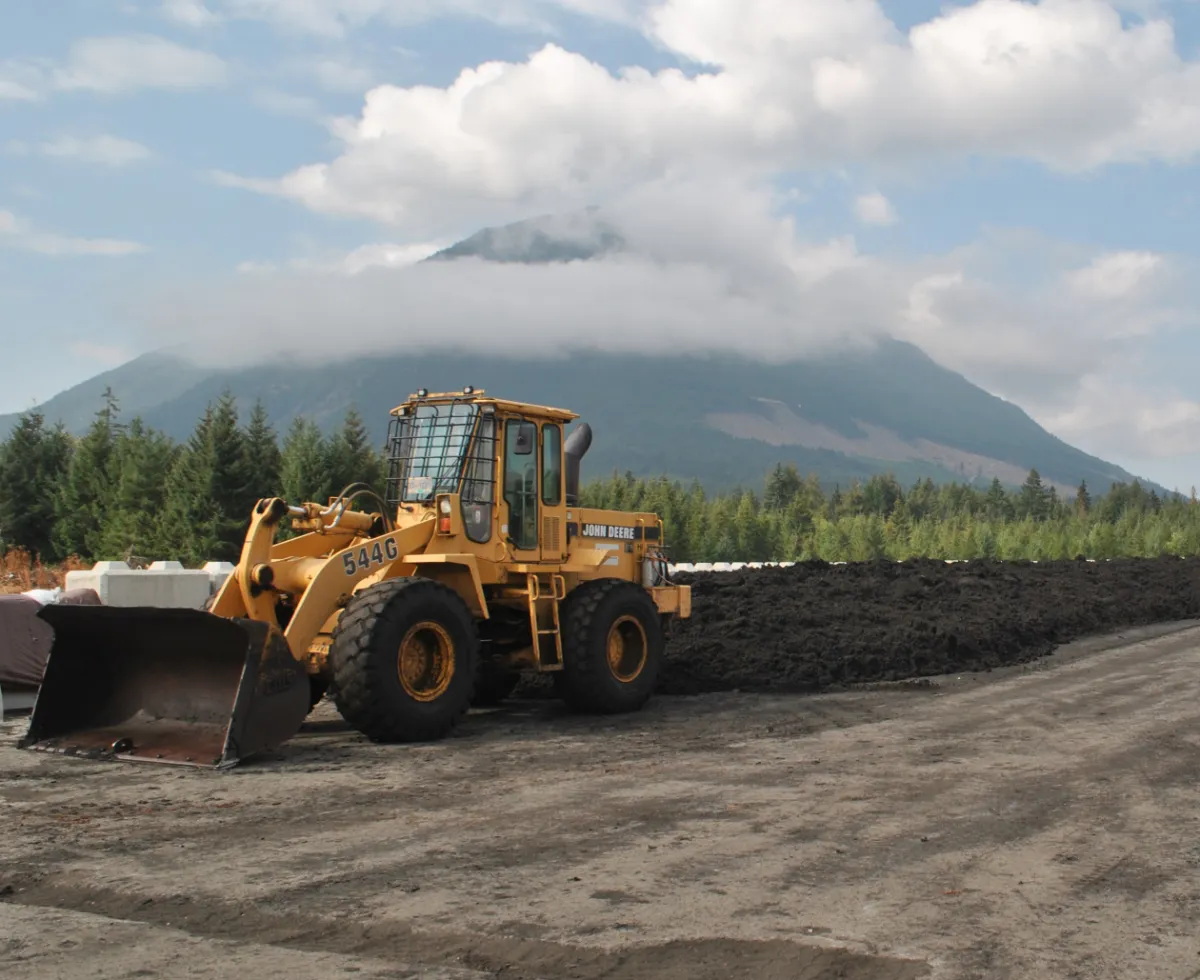
Treated organic material generated from nutrient recovery facilities. Biosolids are a valuable, nutrient-dense resource with well-established beneficial use pathways in agriculture, forestry, mining, and product development.
Residual solids generated during water treatment processes. Depending on the treatment system, these materials may be liquid or dewatered solids and can be beneficially used for soil amendment, nutrient management, and land improvement applications.
Primary and secondary sludge generated from pulp and paper manufacturing processes. When properly characterized and managed, these materials can support soil health improvement, fertilization, and land reclamation applications.
Biomass ash produced from combustion processes. Ash can be beneficially used as a liming amendment to increase soil pH and provide essential plant nutrients. While typically low in nitrogen and phosphorus, its liming properties can improve nutrient availability and overall soil productivity.
Lime by-products generated through pulp and paper manufacturing. These materials can serve as an effective alternative to agricultural lime, offering strong liming performance and rapid soil response due to their fine particle size.
Sediment removed from stormwater management ponds. When appropriately characterized, pond sediment can be repurposed as a feedstock in manufactured soils, reducing reliance on virgin topsoil while supporting beneficial reuse initiatives.
Not seeing your residual on this list? SYLVIS has experience evaluating and managing emerging residuals streams that are often viewed as waste products. If your residual is currently being landfilled, we may be able to identify a more sustainable and cost-effective beneficial solution. If it is a by-product with potential value, we want to hear about it.
35 years of experience. 100% authorization success. Let’s talk about your program.
